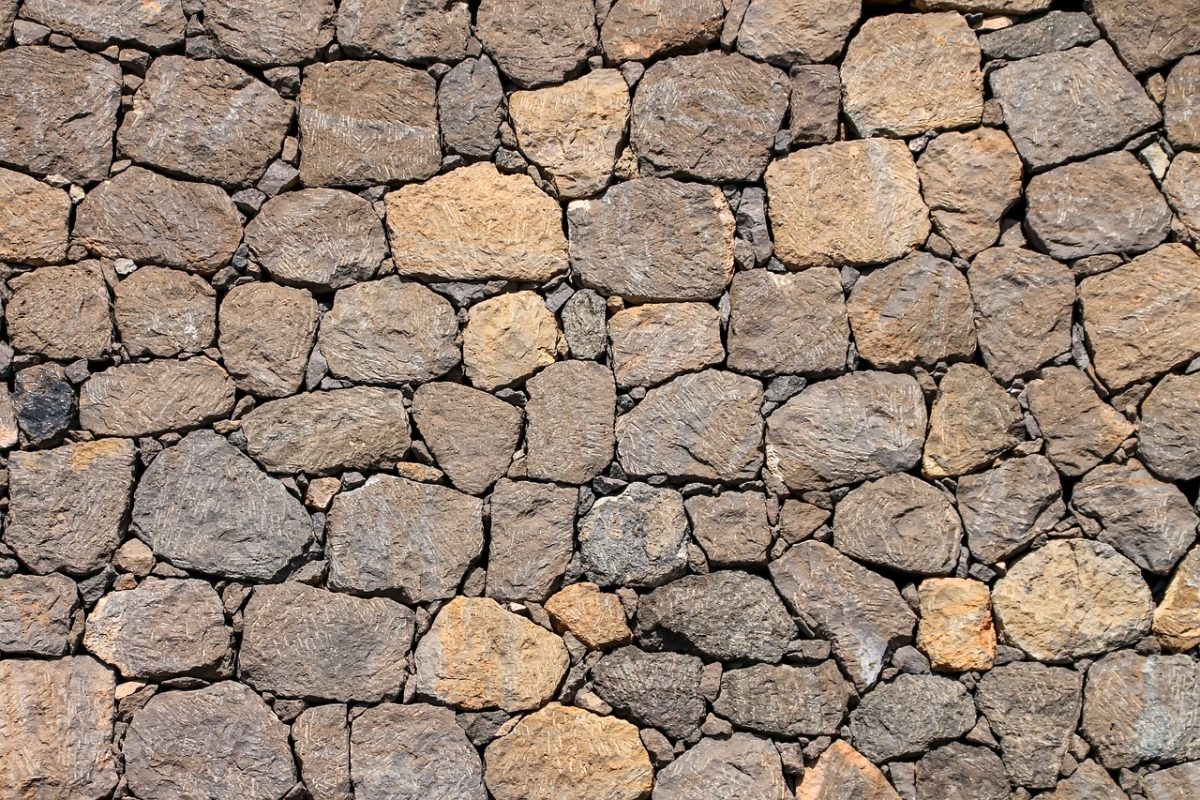
Travertine is a natural stone prized for its timeless beauty and elegance. Used for both flooring and walls, it imparts a rustic yet refined charm to any space. However, due to its porosity, travertine is susceptible to staining and degradation when exposed to water and humidity. To preserve the quality and durability of this noble stone, it is crucial to protect it with a water-repellent treatment. Water repellent treatment makes travertine waterproof while maintaining its natural appearance.
Why Waterproof Travertine?
Protecting travertine with a water-repellent treatment offers numerous advantages. By understanding these benefits, you will be better able to appreciate the importance of this essential step in maintaining your natural stone.
First, water repellent treatment prevents water and humidity infiltration, which can compromise the structural integrity of the travertine. Next, this treatment facilitates cleaning and daily maintenance by making the surface less permeable to stains. Finally, water-repellent travertine benefits from increased protection against external agents such as dirt, oils, and other contaminants.
The Different Types of Water Repellents
There are several types of water-repellent products available on the market, each with specific characteristics. The choice of product will depend on the intended use and environmental conditions.
- Water-based repellents: They are environmentally friendly and easy to apply, but generally require multiple coats for optimal effectiveness.
- Solvent-based repellents: They penetrate deeper into the travertine and offer long-lasting protection. However, they can be more harmful to the environment and require adequate ventilation during application.
- Film-forming repellents: They create a protective layer on the surface of the stone but may alter its natural appearance.
- Non-film-forming repellents: They impregnate the stone without changing its appearance, providing discreet yet effective protection.
Preparatory Steps for Waterproofing
Before proceeding with waterproofing, certain preliminary steps are essential to ensure a successful application. These preparations ensure that the travertine is in optimal condition to receive the treatment.
1. Deep cleaning: Start by thoroughly cleaning the surface of the travertine to remove any dirt, dust, and residue from cleaning products. Use a cleaner specifically designed for natural stones and rinse thoroughly with clear water.
2. Dry the travertine: It is crucial that the stone is perfectly dry before applying the water repellent. Allow the surface to dry for at least 24 hours to avoid any residual moisture.
3. Protection of surroundings: Protect adjacent areas to the surface to be treated, such as baseboards, furniture, and walls, using masking tape and plastic sheeting.
Application of the Water Repellent
Proper application of the water repellent is crucial to ensure effective and lasting protection. The method may vary slightly depending on the chosen product, but the basic principles remain the same.
- Preliminary test: Apply a small amount of water repellent to a less visible area to check the product’s compatibility with the travertine and to ensure there are no undesirable reactions.
- Uniform application: Use a brush, roller, or sprayer to apply the water repellent evenly across the entire surface. Work in sections to avoid overlaps and missed spots.
- Pentration and drying time: Allow the water repellent to penetrate the stone for the time recommended by the manufacturer. Avoid walking on the surface during this period.
- Second coat: If necessary, apply a second coat to reinforce protection. Follow the same steps as for the first application.
Waterproofing travertine is an essential step in preserving its beauty and durability. By understanding why this treatment is necessary, choosing the right type of water repellent, and following the preparation and application steps, you can ensure optimal protection for your natural stone. Regular maintenance and periodic reapplication of the water repellent will extend the life of your travertine while maintaining its charm and elegance.