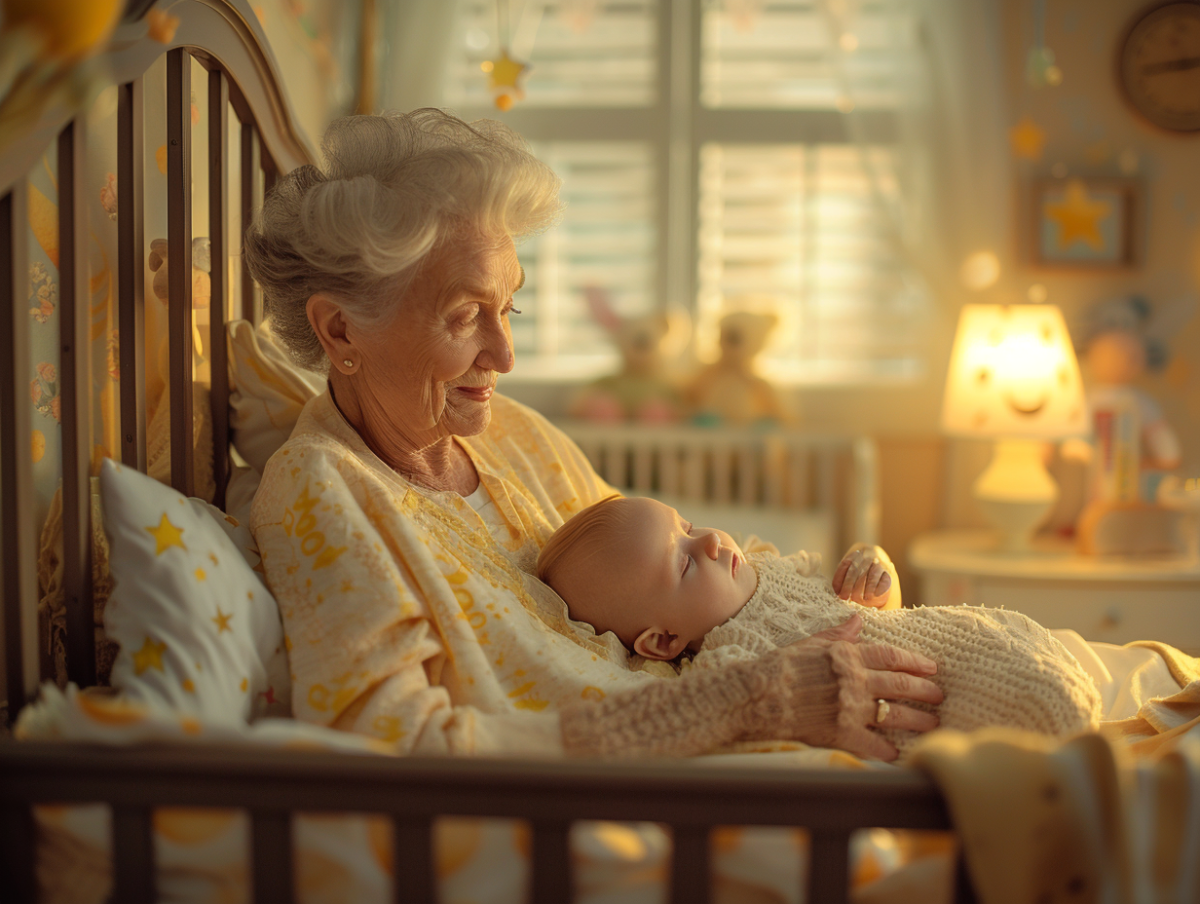
For generations, families have passed down tips to soothe newborns and promote their sleep. These traditional methods, often referred to as “grandmother’s remedies,” evoke as much enthusiasm as skepticism. Between popular beliefs and practical advice, it can sometimes be difficult to untangle the true from the false. Today’s parents, concerned about their children’s well-being, seek to understand which practices are truly effective and safe to help their baby sleep peacefully. Modern science is taking an interest in these ancestral remedies, offering new insights into dormant traditions.
Traditional practices to soothe baby’s sleep: between myths and realities
Baby’s sleep, essential for development and calmness, is often at the heart of parental concerns. Tips and remedies, inherited from our ancestors, are passed down from generation to generation. Among them, baby massage, recognized for its relaxing virtues, is recommended to soothe and prepare for sleep. The tenderness of the gestures and the gentleness of the approach undeniably contribute to the child’s well-being, facilitating their journey into the arms of Morpheus.
In the arsenal of traditional methods, we also find the use of comfort objects, infused with the parents’ scent, which reassure the baby and provide a sense of security. The bedtime ritual can be enhanced with cuddles, which calm and comfort the baby in their sense of well-being. Some parents, in search of effectiveness, even practice eyebrow rubbing to put their offspring to sleep, a method that, according to reports, has proven effective.
The use of lavender and chamomile essential oils, added to the baby’s bath, is also popular. Their soothing properties and assistance with digestion are praised. These essences must be used with caution, as infants’ skin is particularly sensitive. As for calming herbal teas, such as those containing orange blossom and chamomile, they are often recommended, although their use in young children should be supervised by professional advice. Among the more surprising beliefs, some place an onion under the child’s bed, hoping that its purifying virtues and characteristic smell would contribute to uninterrupted sleep. Although this practice lacks any proven scientific basis, it persists in some cultures as an attempt to soothe the nights of the youngest. The clock, with its regular ticking, is also mentioned for its calming effect, perhaps reminiscent of the reassuring rhythm of a mother’s heartbeat.

Modern approaches and expert advice for peaceful baby sleep
The science of infant sleep, constantly evolving, relies on the work of pediatricians and other early childhood specialists. These experts, armed with their knowledge of child health, often recommend a calm and secure environment to promote falling asleep. Parents are guided towards stable and reassuring routines, establishing bedtime rituals that signal the transition to the dream world. Reading stories, singing lullabies, wrapping the child in tenderness: these are the pediatricians’ recommendations for putting the baby to sleep.
Fabrice Cravatte, a recognized naturopath, advocates for the introduction of relaxing baths, enriched with a few drops of suitable and diluted essential oils, to soothe the baby. Stay vigilant: the use of oils must be measured and appropriate for the child’s age. The naturopath also suggests a balanced diet tailored to the needs of young children to avoid digestive issues that could impair sleep quality.
In the quest for peaceful sleep for the child, modern tools have their place. Child sleep coaches, for example, offer tailored support to families. These professionals help decipher the specific needs of each baby and propose personalized strategies. Indeed, each child is unique and requires special attention to ensure serene nights. In the face of postpartum sleep disturbances, some parents turn to solutions like Pediakid Sommeil, a plant-based dietary supplement. While these products may be helpful, their use should be done in consultation with a healthcare professional to avoid any contraindications or adverse effects. Consider the advice of specialists before introducing such substances into your child’s diet.