In the whirlwind of global metropolises, Dubai emerges as a crossroads of cultures, attracting a mosaic of nationalities. This city-state, a jewel of the United Arab Emirates, is often viewed through the lens of its architectural extravagance and its rapid economic growth. Less discussed, however, is the lexicon associated with its inhabitants. In Dubai, the designation of residents becomes a reflection of its demographic diversity and social stratification. Investigating the naming of Dubai’s citizens and expatriates offers a fascinating glimpse into the urban identity and intercultural dynamics that characterize this ever-bustling city.
Identity and Cultural Diversity of Dubai’s Residents
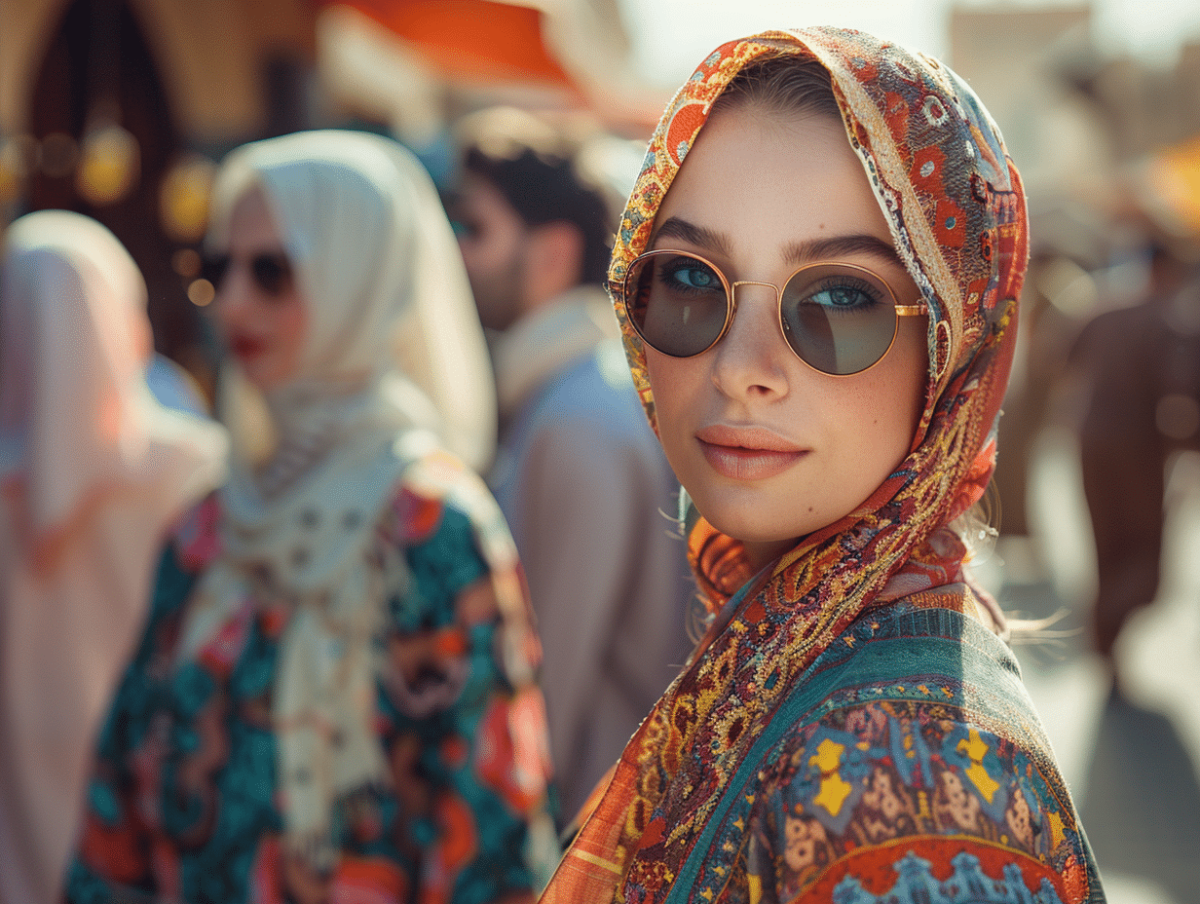
At the intersection of Asia and the West, Dubai, an emirate in the southeastern Persian Gulf, stands out with its population of 3,086,000 souls and a density of 794 people/km². The question that often arises is: What do you call the inhabitants of Dubai? The answer is ‘Dubaiite’, a term that encompasses both native citizens and the many expatriates who have chosen this city to work and live. The majority of these residents are migrant workers, reflecting the cosmopolitan makeup of the city and the challenges foreigners face in acquiring nationality.
Dubai, known for its rapid growth, has evolved far beyond its roots as a pearl fishing town. With the discovery of oil in 1930, the transformation of its economy has been swift, shifting towards trade, new technologies, and tourism. These sectors have attracted an international workforce, contributing to cultural diversity and the development of its infrastructure, such as the international airport, marinas, and luxury hotels.
Historically, Dubai, founded in the 18th century, played a key role in the creation of the Truce States and later the United Arab Emirates. Its history is marked by accelerated modernization in the 20th century when the development of tourism projects began to shape its image as a futuristic metropolis. This city, which has experienced difficult periods, particularly during the interwar years, is now synonymous with global fame.
Politically, Dubai is governed by a hereditary monarchy, currently under the leadership of Sheikh Mohammed bin Rashid Al Maktoum. Its legal system is a complex amalgamation, combining Sharia law, elements of common law, and Egyptian civil law. This structure reflects the nature of the emirate, rooted in its traditions yet resolutely oriented towards the international, which is evident in everyday life and in interactions among its residents of diverse origins.
The Lifestyle in Dubai: Between Tradition and Modernity
Dubai is not just a postcard image made of skyscrapers and ostentatious luxury. It is also a city built on the ashes of a pearl fishing society, which has reinvented itself by becoming a major commercial hub since the discovery of oil in 1930. The sectors of trade, new technologies, and tourism have greatly diversified Dubai’s economy, and the city is now renowned for its infrastructure such as its international airport, marinas, and luxury hotels. The local real estate market has even opened up to foreign buyers, reflecting a global outlook, although the subprime crisis has somewhat shaken this image.
Politically, the city is one of the emirates of the United Arab Emirates, and its governance is based on a hereditary monarchy led by Sheikh Mohammed bin Rashid Al Maktoum. Dubai’s legal system is characterized by its eclecticism, combining Sharia law, elements of common law, and Egyptian civil law, thus reflecting a balance between respect for traditions and adaptation to international standards.
Daily life in Dubai illustrates this contrast between modernity and tradition. On one hand, the city stands as a model of 21st-century economic development, with a conurbation encompassing Sharjah and Ajman, and on the other hand, it remains true to its cultural and historical heritage, initiated since its founding in the 18th century. Dubai’s role in the creation of the Truce States and its active participation in the establishment of the United Arab Emirates highlight its historical impact and influence in the Persian Gulf region.
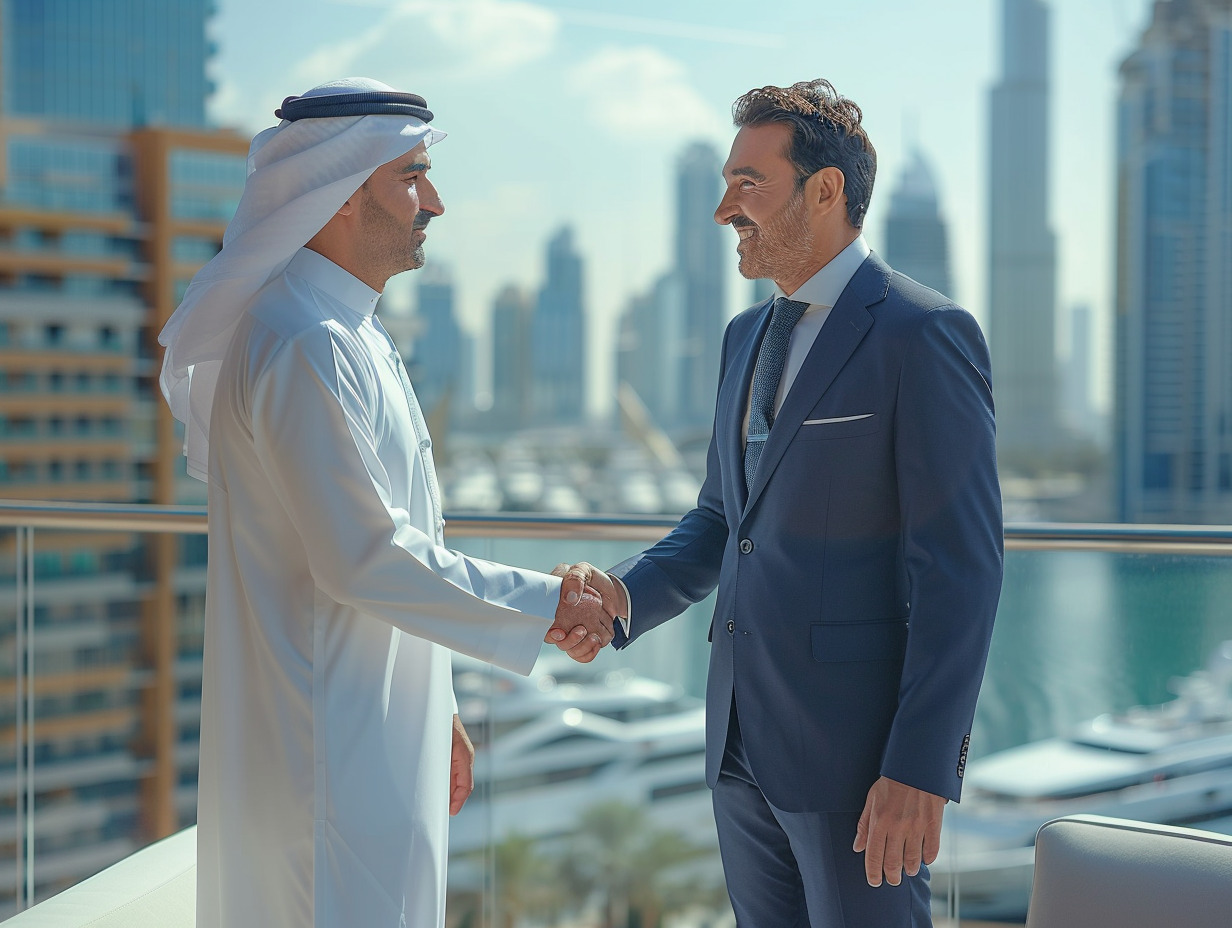
The lifestyle of Dubai, therefore, oscillates between the adoption of international lifestyles and the maintenance of an authentic Emirati identity. Residents, whether long-time Dubaiites or recent expatriates, adapt to an environment where shopping malls and skyscrapers coexist with traditional souks and mosques. This duality reflects a city that has managed to evolve without renouncing its soul, thus offering a unique experience to those who choose to call it home.